Securing a professional pest control service Columbus homeowners rely on stops active structural damage and eliminates indoor sanitary threats without disrupting daily domestic routines. StoneLark Insect Control applies targeted, low-impact biological barriers to halt swarming subterranean termites, bed bugs, and seasonal invader colonies before they establish breeding reservoirs in historic framing or modern drywall cavities.

A pest control service in Columbus is a specialized structural management operation that identifies, contains, and eliminates insect and invertebrate infestations from residential and commercial properties throughout Franklin County.
Every service reflects the same meticulous attention to detail, whether it's a single job or a larger pest control service project across Columbus.
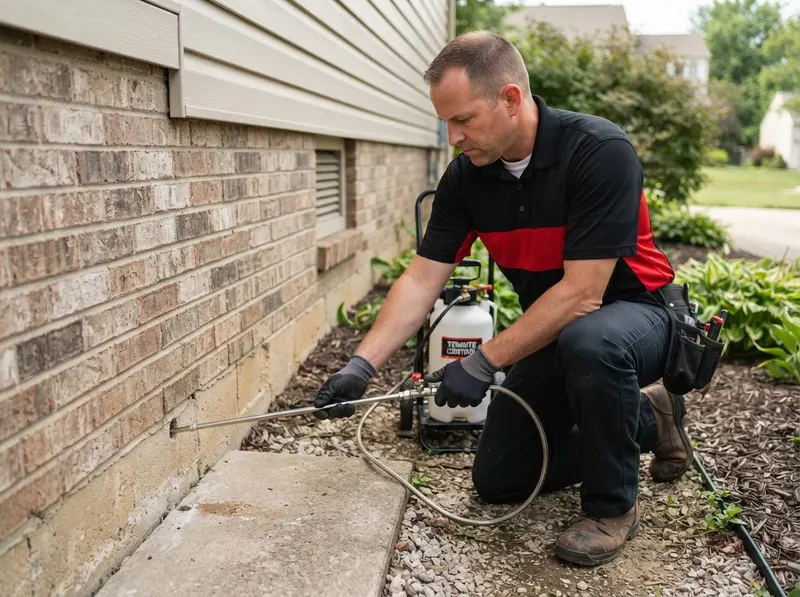
Subterranean termites cause severe structural damage to load-bearing framing across Central Ohio river corridors by silently hollowing out interior sill plates, joists, and subfloors. StoneLark Insect Control installs continuous non-repellent liquid soil barriers following guidelines from the US EPA , applying micro-injections along masonry stem walls and crawl spaces to eliminate subterranean colonies without displacing occupants. Technicians trench foundation margins, trenching four to six inches into exterior soil beds and injecting liquid termiticides containing fipronil or imidacloprid to establish an undetectable lethal transfer perimeter. Worker termites traverse the treated zone without detection, transferring the lethal toxicant back to the subterranean reproductive queen and primary nest chambers via mutual grooming and trophallaxis. For structures with inaccessible slab foundations, stone rubble basements, or radiant floor heating arrays, specialized sub-slab horizontal drilling techniques place curative chemical curtains without compromising structural integrity or interior flooring aesthetics.
Get a quote →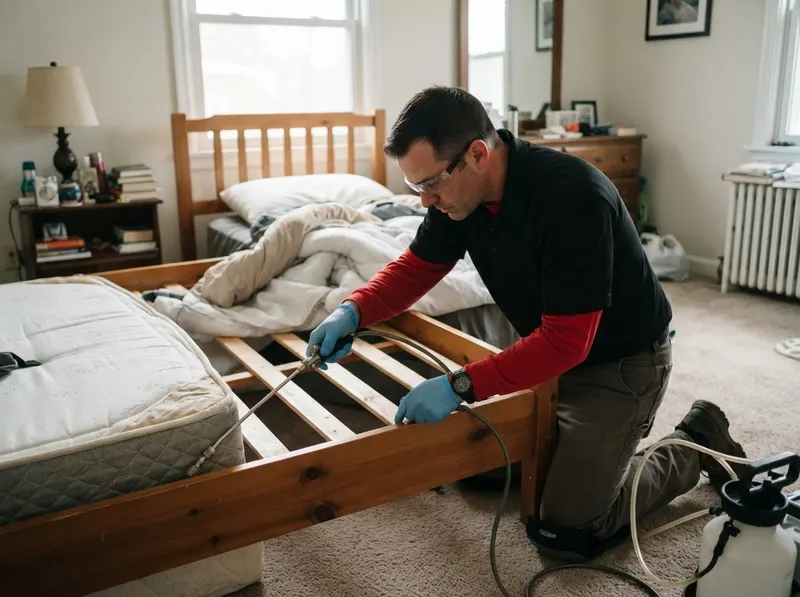
Urban rental density, collegiate housing turnover, and frequent travel corridors elevate bed bug dispersal across residential dwellings and hospitality spaces throughout Franklin County. Treatment protocols integrate targeted dry-steam thermal remediation exceeding 180°F with localized applications of insect growth regulators certified under the Ohio Department of Agriculture commercial pesticide licensing framework to dismantle complete breeding life cycles. High-output heat arrays systematically raise ambient indoor temperatures to 125°F-135°F, penetrating deep into mattress seams, box springs, baseboards, electrical junction boxes, and interior wall voids to denature pest proteins and dehydrate resilient egg structures. Following thermal penetration, technicians apply residual micro-crystalline silica dusts and juvenile development inhibitors along furniture joints and carpet tack strips, ensuring secondary nymphs hatching from hidden micro-crevices fail to reach adult reproductive maturity. Complete remediation eliminates nocturnal blood-feeding stress while preserving fine interior furnishings and sensitive electrical infrastructure.
Get a quote →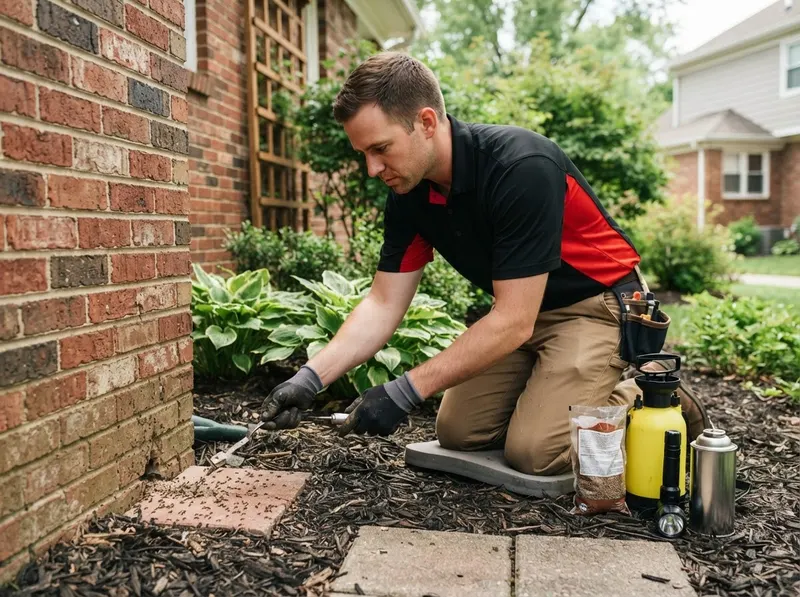
Odorous house ants, pavement ants, and wood-nesting carpenter ants frequently compromise residential kitchens, bathroom plumbing chases, and moisture-softened framing. Technicians introduce delayed-toxicity carbohydrate and protein baits that foraging workers transport back to the primary queen, wiping out deep nest infrastructure inside structural wall voids. When addressing carpenter ants, our specialists pinpoint parent nests located in damp structural wood compromised by roof leaks or plumbing seepage, deploying localized non-repellent transfer insecticides and desiccant dusts directly into wall cavities through unobtrusive injection access points. For exterior trailing pavement ants along sidewalks and brick patios, technicians apply micro-encapsulated residual barriers across perimeter thresholds, foundation vents, and window headers to halt column advancement. Bait chemistry is rotated seasonally between lipid, sugar, and protein carrier matrices to mirror the natural nutritional shifts of the colony, guaranteeing high consumption rates and absolute subterranean nest collapse.
Get a quote →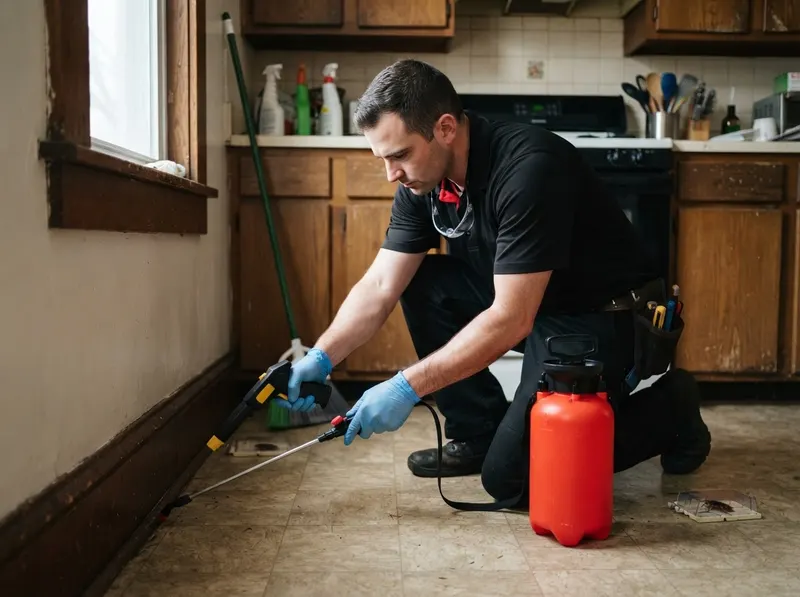
German, Oriental, and American cockroaches create severe biological and respiratory hazards by contaminating interior surfaces, food preparation zones, and indoor air with allergenic frass and discarded cast skins. Remediation deploys target-specific bait matrices, aerosolized flushing agents, and perimeter insect growth regulators that disrupt reproductive moulting while preserving indoor air purity. German cockroach infestations in high-moisture kitchen and bathroom environments are countered with precision bait placements inside cabinet hinges, under appliance compressors, and behind hollow kickplates, avoiding broad aerosol contamination. For damp basements, crawl spaces, and commercial utility tunnels where large Oriental cockroaches proliferate, technicians apply water-resistant granular baits and micro-encapsulated perimeter barriers that remain chemically active despite persistent moisture. Inspection includes tracking fecal spotting patterns and placing sticky pheromone monitoring stations to verify absolute cessation of egg production and population recruitment.
Get a quote →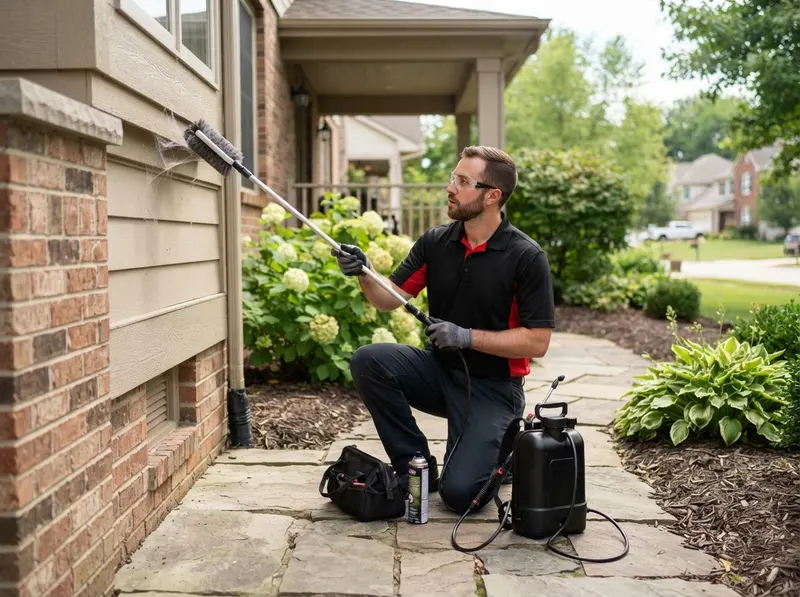
Basement foundations, detached garages, and exterior soffits collect common cellar spiders, yellow sac spiders, and wolf spiders tracking indoor insect prey. Treatment combines mechanical de-webbing, HEPA-vacuum extraction of egg sacs, and micro-encapsulated exterior foundation barriers that prevent re-entry through ground-level weep holes and framing junctions. Because spiders possess long legs that keep their abdominal bodies elevated above treated flat surfaces, simple contact sprays often prove ineffective; our protocols focus heavily on eliminating their primary food source through comprehensive interior pest suppression. Technicians sweep exterior eaves, gutters, window returns, and porch ceilings with extendable electrostatic brushes treated with repellent dusts to discourage web anchoring. Crawl spaces and unfinished storage basements receive targeted crack-and-crevice treatments around rim joists, silencers, and foundation shelf ledges where predatory spiders establish daytime harborage, restoring sanitary baseline comfort to domestic utility areas.
Get a quote →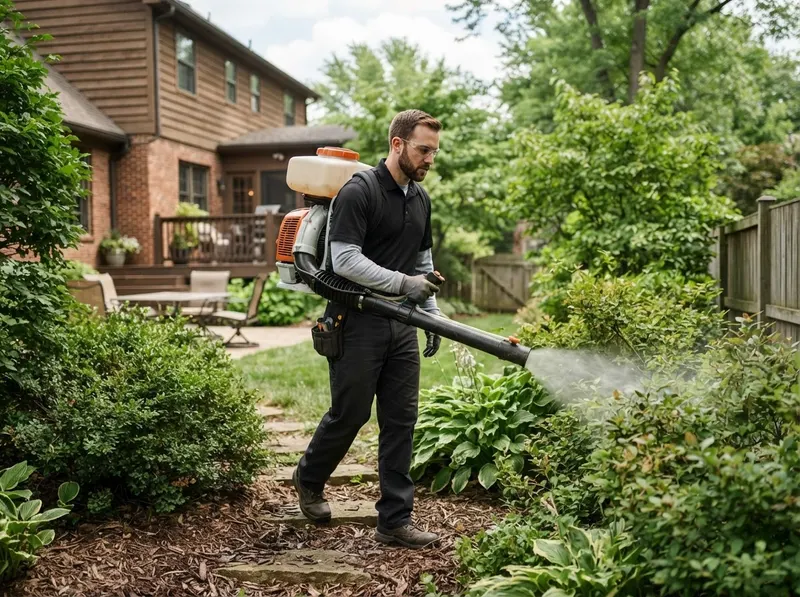
Standing moisture along wooded lots, drainage swales, and landscape depressions enables heavy summer mosquito breeding across residential properties from late May through early autumn. StoneLark Insect Control applies botanical-derived barrier sprays to shaded foliage resting zones, supported by automated dispersal of biological larvicides verified by the Centers for Disease Control and Prevention . Specialized low-volume mist blowers deliver atomized droplets directly to the undersides of dense deciduous leaves, ornamental shrubs, and tall turf canopies where adult mosquitoes harbor during daytime heat. The applied residual bonds to plant cuticle waxes, neutralizing resting insects upon contact for up to twenty-eight days while resisting premature wash-off from periodic rain showers. Technicians concurrently inspect downspout extensions, bird baths, ornamental ponds, and catch basins, depositing naturally occurring Bacillus thuringiensis israelensis (BTI) tablets that disrupt aquatic larval development without endangering native songbirds, aquatic life, or domesticated outdoor pets.
Get a quote →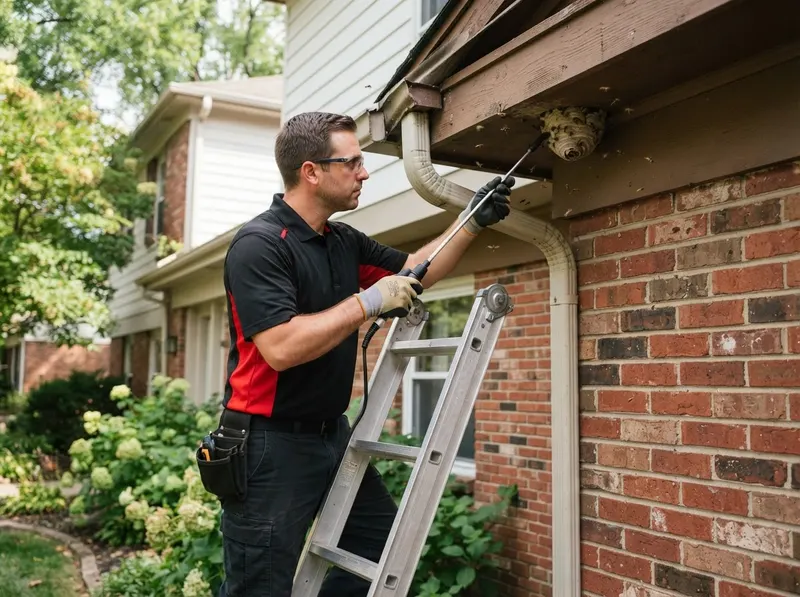
Aerial bald-faced hornets, subterranean yellow jacket nests, and umbrella paper wasps threaten pedestrian safety around residential eaves, deck railings, and landscaping beds. Direct pressurized injection neutralizes active stinging colonies safely, followed by structural nest detachment and repellent void sealing to deter secondary colony formation in high-traffic outdoor living areas. Technicians utilize protective structural suits and pressurized extension equipment to deliver rapid freezing agents or specialized pyrethroid formulations directly into nest entry apertures, preventing territorial defensive swarming. In ground-nesting scenarios where yellow jackets excavate abandoned rodent burrows or rock retaining wall gaps, subsurface soil injections completely flood subterranean gallery systems to eliminate aggressive workers and defending queens. Void-nesting hornets within exterior soffits or brick weep vents receive localized insecticidal dusts that returning foragers track into the core nest matrix, terminating internal hive viability without necessitating disruptive drywall destruction.
Get a quote →Domestic pets easily import exterior flea and tick populations into living area carpets, baseboards, and upholstered furnishings, triggering chronic dermatological irritation and domestic distress. Technicians execute dual-action adulticide and juvenile development inhibitor treatments across interior carpeted pathways and shaded lawn perimeters to break continuous parasitic re-infestation cycles. Our interior applications utilize pyriproxyfen and permethrin formulations that halt adult flea biting activity while sterilizing eggs and arresting larval transition into pupae. Homeowners receive explicit vacuuming and pet treatment preparation protocols that stimulate resting pupae to emerge prematurely from protective cocoon casings directly into the active residual zone. Exterior treatment envelopes transition zones along tree lines, tall groundcovers, and shaded kennel runs where deer ticks and dog ticks wait for domestic hosts, significantly curtailing the outdoor vectors that transport biological hazards onto home carpets.
Get a quote →You get a firm, itemized quote for your pest control service before any work begins, no surprises, no pressure.
Careful prep, tidy work, and a full cleanup when we are done. We treat your home and belongings like our own.
The same trusted, background-checked team from the first call to the final check.
Selecting appropriate pest remediation depends entirely on whether the target pest represents structural compromise, biological contamination, or transient exterior nuisance. If a property experiences hollowed wood framing, mud shelter tubes along basement stem walls, or discarded translucent wings near windows, select targeted subterranean termite liquid perimeter trenching or interior non-repellent injections; if living areas show pinhead-sized fecal spots on mattress seams or unexplainable nocturnal bite patterns, select thermal heat eradication paired with residual insect growth regulators. The trade-off between these protocols involves preparation scope versus chemical residual longevity: structural termite remediation requires zero interior furniture bagging but involves perimeter ground trenching around the foundation footprint, whereas full-room bed bug mitigation demands exhaustive laundering of textiles at 120°F and comprehensive room isolation to prevent insect dispersal to adjoining structural cavities.
For localized ant incursions, identifying the nesting preference dictates the intervention: moisture-seeking carpenter ants nesting in wall voids require slow-acting borate or fipronil transfer dusts injected directly into wall framing voids, whereas sugar-foraging odorous house ants invading kitchen countertops require sweet bait matrices containing delayed-action hydramethylnon to ensure ingestion across the entire subterranean supercolony. Attempting to manage carpenter ants with over-the-counter pyrethroid contact sprays induces nest budding, causing single colonies to fracture into three or four autonomous satellite colonies behind bathroom tile or kitchen cabinetry. For sudden stinging insect hazards near entryways or rooflines, a direct aerosolized knockdown application provides immediate exterior clearance within minutes, whereas broader preventive perimeter programs establish persistent micro-encapsulated surface barriers that degrade slowly over sixty to ninety days under heavy summer rain and ultraviolet exposure.
When balancing broad-spectrum perimeter treatments against species-specific baiting systems, perimeter sprays create an impenetrable chemical band along exterior foundation walls that excludes crawling invaders like centipedes, crickets, and spiders, but will fail to address deep-seated interior wood borers or existing pantry beetle infestations already sealed inside insulated attic rafters or basement storage subfloors. Selecting targeted baiting preserves non-target exterior pollinators while delivering complete colony mortality through social food sharing mechanisms, though it requires seven to fourteen days of active foraging feeding before full population collapse is realized. Homeowners must assess whether immediate visible knockdown or deep biological eradication represents the correct structural priority for their specific property condition.
Every project gets a firm, written price after a free on-site visit. Ranges below for orientation.
Tell us about your pest control service job and we'll send a clear, written quote, usually the same day. Or just call and talk to a real Columbus pro.
(326) 300-4983
Columbus sits within a fertile humid continental climate zone split by the Scioto River and Olentangy River corridors, creating high water-table environments that intensify subterranean termite pressure against vintage brick rubble foundations in neighborhoods like German Village and Victorian Village. Dense tree canopy and aged stormwater drainage around older neighborhoods such as Clintonville foster severe carpenter ant and subterranean pest incursions during rainy spring transitions when ground saturation forces wood-destroying insects into low-elevation framing. Commercial logistics hubs and high-density multi-family properties near downtown corridors, Italian Village, and the Short North experience elevated bed bug and cockroach transfer vectors along shared party walls, demanding non-repellent structural barrier strategies specifically engineered for local architectural framing. Older homes throughout Olde Towne East and Franklinton feature limestone basement perimeters with soft lime mortar that allows small burrowing insects easy structural access, whereas the expansive suburban developments across Upper Arlington, Grandview Heights, and Worthington grapple with intense yellow jacket and subterranean rodent nesting across sprawling decorative mulch beds and mature landscape perimeters. StoneLark Insect Control addresses these localized structural variations with custom chemical and physical barriers calibrated to Franklin County soil chemistry and regional weather patterns.
Free estimates for Columbus & the surrounding area.
 StoneLark Insect Control